Sewer Camera Inspections Explained
A sewer camera inspection, also called a sewer video inspection, uses a flexible cable with a small, high-resolution camera attached to the end. The camera is guided through cleanouts or other access points while a technician watches a live image on a monitor. This allows a direct look inside the pipe to see what is causing a clogged sewer line, recurring backups, or wet spots in the yard, all without immediately digging up the property.
Because the interior of the pipe is visible, the technician can locate the problem, measure the distance from the access point, and determine whether simple cleaning, focused sewer line repair, or full sewer line replacement is the most appropriate solution. The same equipment can later confirm that the line is clear and in good condition after work is completed.
Signs Sewer Video Inspection Is Needed
 Certain patterns of drain trouble often point to problems beyond a single fixture. Common signs that a sewer camera inspection may be helpful include:
- Slow drainage in multiple sinks, tubs, or showers
- Sewage backing up into lower-level fixtures
- Gurgling sounds from toilets or drains when water is used elsewhere
- Persistent foul odors near drains, cleanouts, or outside near the sewer path
- Recurring clogs that return soon after snaking or plunging
Yard conditions can also offer clues. Areas of unusually lush grass, soggy patches that never fully dry, or unexplained puddles during dry weather can suggest that wastewater is leaking underground. In older neighborhoods around Bound Brook, large trees sometimes send roots toward moisture sources. Those tree roots can infiltrate tiny openings in pipes and eventually cause a significant sewer line clog or even displaced sections of pipe.
When several of these warning signs appear together, a sewer video inspection gives a much clearer picture than repeated guesswork.
Issues a Sewer Camera Inspection Can Catch
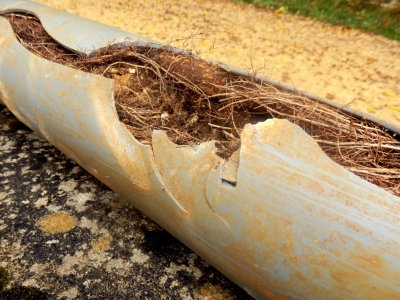 Once the camera is inside the pipe, many hidden problems become easy to identify. Examples include:
- Soft clogs made of grease, wipes, paper, or food waste
- Hard obstructions from dropped objects or collapsed sections
- Cracks or small leaks at joints or along straight runs
- Corrosion and thinning pipe walls in older metal lines
- Tree roots invading at joints and spreading through the pipe
- Low spots, or “bellies,” where waste and water collect
- Partial or complete pipe collapse restricting flow
With this information, a plumber can recommend targeted sewer line repair, such as clearing blockages, relining damaged sections, or replacing only the affected spans. If damage is widespread, full sewer line replacement may be advised to restore reliable, long-term performance.
Benefits of Sewer Line Video Inspection
Sewer camera inspection provides advantages that traditional trial-and-error methods cannot match. The process is noninvasive, using existing access points instead of immediate excavation, which helps protect landscaping, driveways, and interior finishes. Because the exact location and cause of a sewer line clog are visible, work can be planned more precisely, reducing unnecessary digging and avoiding the replacement of a pipe that is still in good condition.
After sewer line repair or replacement, a follow-up camera pass can confirm that the pipe is clear, properly aligned, and draining as intended. This visual verification offers peace of mind and documentation that the underlying problem has been resolved, not just temporarily relieved.
About Jersey Trenchless LLC
Jersey Trenchless LLC provides expert trenchless sewer and drain solutions throughout Bound Brook and the neighboring areas, with 24-hour emergency services from trusted, knowledgeable technicians. Call them today to schedule sewer video inspections in Bound Brook, NJ.